Nyelvváltás :
Kopásálló 3D nyomtatási műanyagok mozgó alkalmazások alkatrészeihez
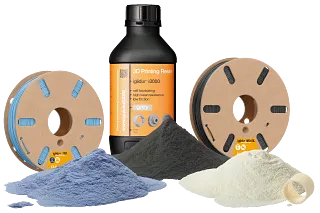
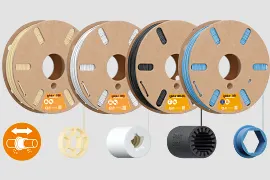
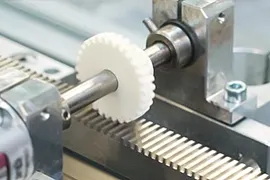
3D nyomtatási alapanyagaink akár 50-szer nagyobb kopásállóságot biztosítanak a hagyományos műanyagokhoz képest. Így ideálisak minden olyan alkalmazásban, ahol az alkatrészek mozgással érintkeznek. Ezen az oldalon megtudhatja, hogy mely anyagok felelnek meg az olyan speciális követelményeknek, mint pl. élelmiszeripari megfelelőség vagy ESD alkalmasság.
Webshopunkban minden 3D nyomtatási alapanyaghoz részletes műszaki adatokat és feldolgozási útmutatókat talál. Emellett letölthető anyagprofilokat is biztosítunk, amelyek megkönnyítik szálanyagaink feldolgozását standard 3D nyomtatókon, például Bambu Lab, Prusa és Ultimaker rendszereken. ⯈ Tovább a nyomtatási alapanyag webáruházba
Mi a közös az iglidur műanyagokban?
Minden iglidur anyag ugyanazokat az alapanyagokat tartalmazza, amelyeket kifejezetten a siklócsapágyakhoz fejlesztettek ki. Ennek köszönhetően mindegyik önkenő és kopásálló, a beépített szilárd kenőanyagok révén. Az iglidur alapanyagok specifikációiról további részleteket a siklócsapágy wikiben talál.
Mindentudó anyagok
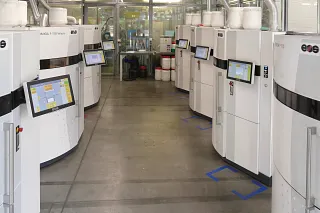
Az iglidur 3D nyomtatási alapanyagok univerzálisan alkalmazhatónak minősülnek normál kopási körülmények között.
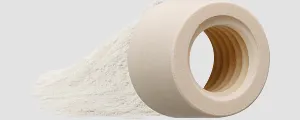
A legnépszerűbb termékek közé tartozik az iglidur i3 SLS por és az iglidur i150 tribofilament.
Amennyiben azonban jelentősen nagyobb hajlítószilárdságú és/vagy hőállóságú mindentudóra van szükség, az iglidur i230 jelenti az optimális választást.
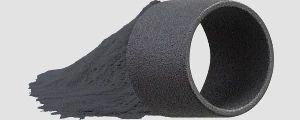
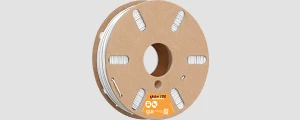
Hőálló anyagok
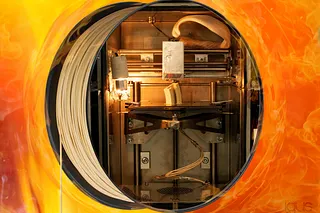
Ez a kategória olyan 3D nyomtatási alapanyagokat foglal magában, amelyek legalább 120 °C tartós üzemi hőmérsékletet képesek elviselni (deformáció nélkül): Magasabb hőmérsékletű alkalmazásokhoz kopásálló tribofilamenteket és SLS porokat kínálunk.
Mire kell figyelembe venni a hőálló tribofilamentek feldolgozásakor?
- A magas hőmérsékletű filamentek feldolgozásához a 3D nyomtatás során legalább 160 °C hőmérsékletű nyomtatási tér szükséges.
- Kiemelten fontos a filamentek nedvességtől védett tárolása, valamint felhasználás előtti szárítása a minőségi problémák elkerülése érdekében.
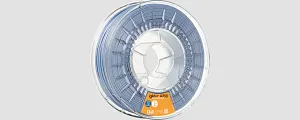
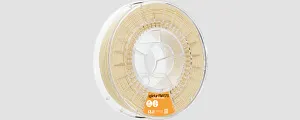
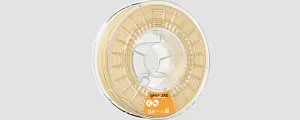
ESD-s anyagok
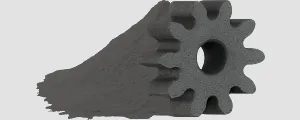
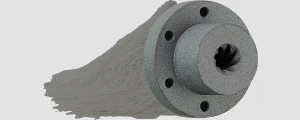

Élelmiszeripari használatra alkalmas anyagok
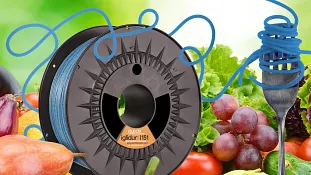
3D nyomtatási alapanyagaink között élelmiszerrel érintkezésre alkalmas anyagok is megtalálhatók, amelyek biztonságosan használhatók az élelmiszer- és csomagolóiparban. Az élelmiszeripari megfelelőség garantálja, hogy az élelmiszerekkel érintkezésbe kerülő anyagokat tesztelték az átvitt műanyag összetevők mennyiségére vonatkozóan. Az EU 10/2011-es rendelete és az USA-ban az FDA határértékeket ír elő erre vonatkozóan, így bizonyos értékek felett az anyag már nem tekinthető biztonságosnak az élelmiszeriparban. A megengedett érintkezési idő is szerepet játszik, és az FDA vagy az EU 10/2011 megfelelőségi nyilatkozat és a környezeti hőmérséklet függvényében változik.
Tippek az élelmiszeripari alkalmazásra megfelelő szálanyagokkal történő 3D nyomtatáshoz:
- Az élelmiszeripari filamentet védje a portól
- Nyomtatás előtt alaposan tisztítsa meg az összes érintkező alkatrészt, különösen az extruder fogaskereket, a fúvókát és a nyomtatótálcát
- Ne használjon ragasztót vagy olyan ragasztót használjon, amely megfelel az élelmiszeripari előírásoknak
- A szeletelő (slicer) beállításoknál nagy sűrűségű felületet válasszon
- Mérsékelt nyomtatási sebesség, és a vonalszélesség igazítása a fúvóka átmérőjéhez
További releváns információk az élelmiszer-biztos alkatrészek 3D nyomtatásáról itt találhatók:
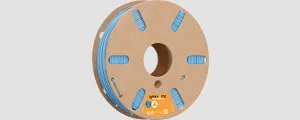


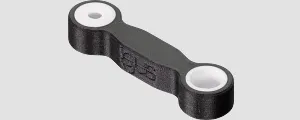
Anyagok strukturális komponensekhez és többkomponensű nyomtatáshoz
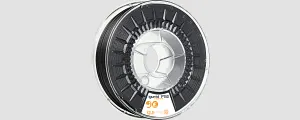
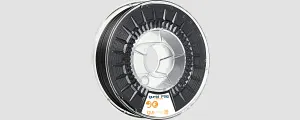
DLP és LCD műgyanta
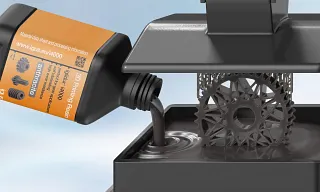
Az iglidur 3D nyomtatási műgyanták a hagyományos gyantákhoz képest kiemelkedően kopásállók, és maximális szilárdságúak.
A beépített szilárd kenőanyagoknak köszönhetően önkenőek, és tökéletesen megfelelők a legfinomabb részletességű kopásálló alkatrészek gyártására.
Az igus többi 3D nyomtatási alapanyagához hasonlóan a gyanták is rendelésre kerülnek feldolgozásra a saját 3D nyomtatási szolgáltatásunk keretében. Önálló alapanyagként is elérhetők a webáruházban, és standard DLP- valamint LCD-technológiájú 3D nyomtatókon is feldolgozhatók.
Tipp: A nyomtatási profilok az Asiga és a Formlabs 3D nyomtatókhoz még egyszerűbbé teszik a nyomtatási folyamatot. Töltse le ingyenesen a webáruházban a termék oldaláról, és azonnal kezdheti a nyomtatást.


Anyagok áttekintése
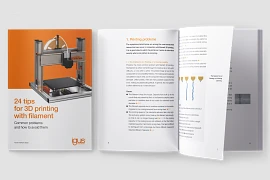
Ez a brosúra kopásálló triboanyagaink kiválasztásához és alkalmazásához nyújt segítséget, ismerteti az igus speciális szálanyagainak és 3D nyomtatási gyantáinak előnyeit, valamint a konkrét alkalmazási lehetőségeket.
Töltse ki az űrlapot, töltse le a PDF-et, és azonnal elkezdheti tanulmányozni az anyagokat!

Konzultáció
Alig várom, hogy válaszoljak a kérdéseire
igus® GmbH+49 2203 9649-0E-mail írása
Shipping and consultation
In person:
Monday to Friday from 7 am - 8 pm.
Saturdays from 8 am- 12 pm.
Chat-Service
Monday to Thursday from 8 am - 6 pm.
WhatsApp-Service:
Monday to Thursday from 8 am - 4 pm.